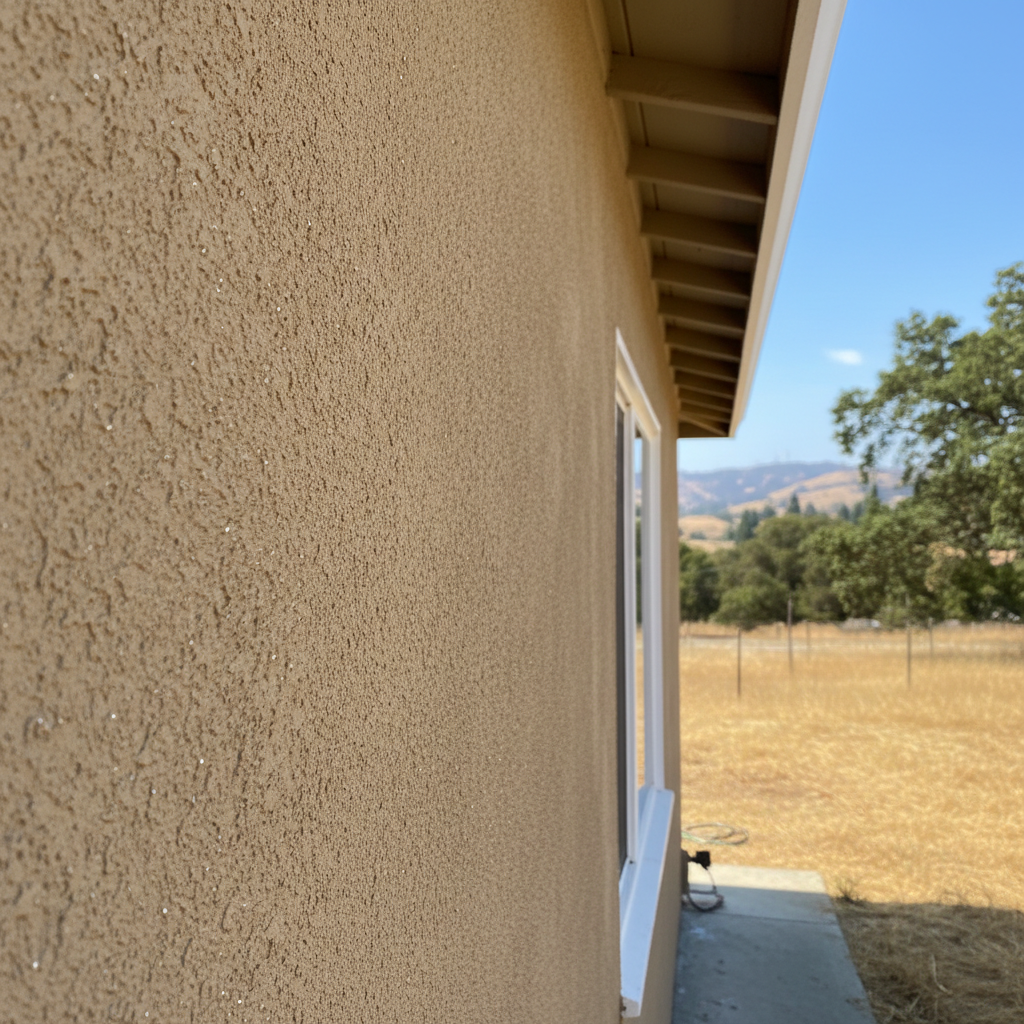
Alright, let's talk stucco redashing. I get a lot of questions about this from folks right here in Castro Valley, and honestly, there's a good bit of confusion out there. It's not just slapping on a new coat of paint, you know? It’s a real process, and when it’s done right, your home can look fantastic and stay protected for years. Here’s what you need to know, straight from someone who’s been doing this work for a long time.
What exactly is stucco redashing? Is it just painting?
No, it's definitely not just painting. That’s a really common misunderstanding, and it’s important we clear that up. Painting stucco can actually make things worse because stucco needs to breathe. If you seal it up with paint, any moisture that gets trapped inside can lead to peeling, cracking, and even bigger problems down the road. Nobody wants that.
Redashing, or restuccoing, means we apply a new layer of stucco right over your existing, solid stucco. We're talking about a fresh, thin coat of actual stucco material here. This isn't just about making it look pretty; it helps cover up minor flaws, refreshes the appearance, and keeps your home's exterior strong.
When should I consider redashing my stucco?
You should think about redashing if your stucco is starting to show its age but is still structurally sound. This usually means things like faded color, slight texture differences from old patch repairs, or a network of those fine, hairline cracks. If your stucco looks worn, dated, or just plain tired, a fresh application can instantly boost your home's curb appeal and value.
But, and this is a big "but," redashing isn't a fix for major structural issues or widespread moisture damage. If you've got big cracks, bulging, or signs of water getting in — like mold or rot — then we're probably looking at something much more involved than just a redash. That's a different ballgame entirely.
What's the process for redashing?
The whole thing kicks off with a thorough inspection of your existing stucco. We need to find any hidden issues, like water damage or structural problems, that absolutely need fixing first. Then, we get the surface ready: cleaning it really well to get rid of dirt, loose bits, and any old paint. Any loose stucco gets removed, and we repair larger cracks or holes.
After all that cleaning and repairing, we'll put on a bonding agent or primer. This helps the new stucco stick properly, which is crucial. Then, the fresh stucco mix goes on over the prepared surface. Sometimes it's a single layer, other times it's a multi-coat system — it just depends on the existing stucco and what kind of finish you want. Oh, and we always make sure to protect your windows, doors, and landscaping during the process. We don't want stucco where it doesn't belong!
How long does a redashed stucco last?
When it's done right and kept up, stucco is incredibly tough. A full stucco system can last 50 to 80 years, sometimes even longer. Redashing basically refreshes that top layer. While it’s not a full replacement, a quality redash can extend your stucco's life and good looks for many years, especially if the layers underneath are solid. Think of it as giving your stucco a new lease on life. Regular maintenance, like cleaning and sealing every 5-10 years, will definitely help it last as long as possible.
Do I need a permit for stucco redashing in Castro Valley?
This is a good question, and it's where things can get a little complicated. For most cosmetic stucco repairs — like sealing hairline cracks, patching a small spot, or just refreshing the finish coat — you typically don't need a building permit in California. These are usually seen as routine maintenance.
However, if the redashing involves significant structural repair, like replacing lath, paper, or sheathing over a big area, or if it changes the exterior cladding system, then you will likely need a permit. Rules can vary by city and even by HOA, so it's always best for your contractor to check with the local building department here in Alameda County. We always make sure to clarify permit requirements for our projects to keep everything above board, no surprises.
What kind of textures and colors can I get with redashing?
You've got a ton of options when it comes to textures and colors, which is one of the best things about stucco. You could go for a smooth, modern look, or something with more character like a sand, lace, or dash finish. The texture really changes the whole feel of your home's exterior, doesn't it? We can even create special finishes that mimic brick or stone, if that's your style.
As for colors, we can mix pigment directly into the stucco solution. That gives you a huge range of custom shades. This means you're not just stuck with a few standard options; you can really personalize your home's look. We work with you to pick something that complements your home and the surrounding Castro Valley landscape.
How much does stucco redashing cost?
The cost of redashing can vary quite a bit, depending on a few things. Factors like the size of your home, how good the existing stucco is, the type of material we use (traditional cement versus acrylic, for example), and the complexity of the texture you choose all play a part. It's not a one-size-fits-all price.
Minor repairs or a basic resurfacing might be on the lower end. But if there's extensive crack repair, hidden moisture damage, or areas that are tough to get to, the costs will go up. For a general idea, basic stucco resurfacing can range from $6 to $9 per square foot, with acrylic options usually being a bit more. It's always best to get a detailed estimate after a thorough inspection, so you know exactly what to expect. At Castro Valley Stucco & Plastering, we provide clear, honest quotes.
When is a full stucco replacement a better option than redashing?
Sometimes, redashing just isn't enough. If your stucco has widespread moisture getting in, large areas of cracking or separation, or if the original stucco system was installed incorrectly, a full replacement is often the smarter, long-term solution. Hidden damage to the sheathing, framing, or insulation behind the stucco can be a big problem, and just putting a new layer over it won't fix those issues.
If we find significant underlying problems during our inspection, I'll tell you straight up that a redash won't cut it. While a full replacement is a bigger investment upfront, it can save you a lot of money and headaches down the line by addressing the root cause of the problems. It’s about protecting your home's structural integrity, not just its appearance. That's what really matters.